Vibrant Waveforms: Player Collectives Experimenting with Sound Card Modifications to Elevate Audio Cues in Atmospheric Adventure Titles
Written by Yves Wagner · May 23, 2026
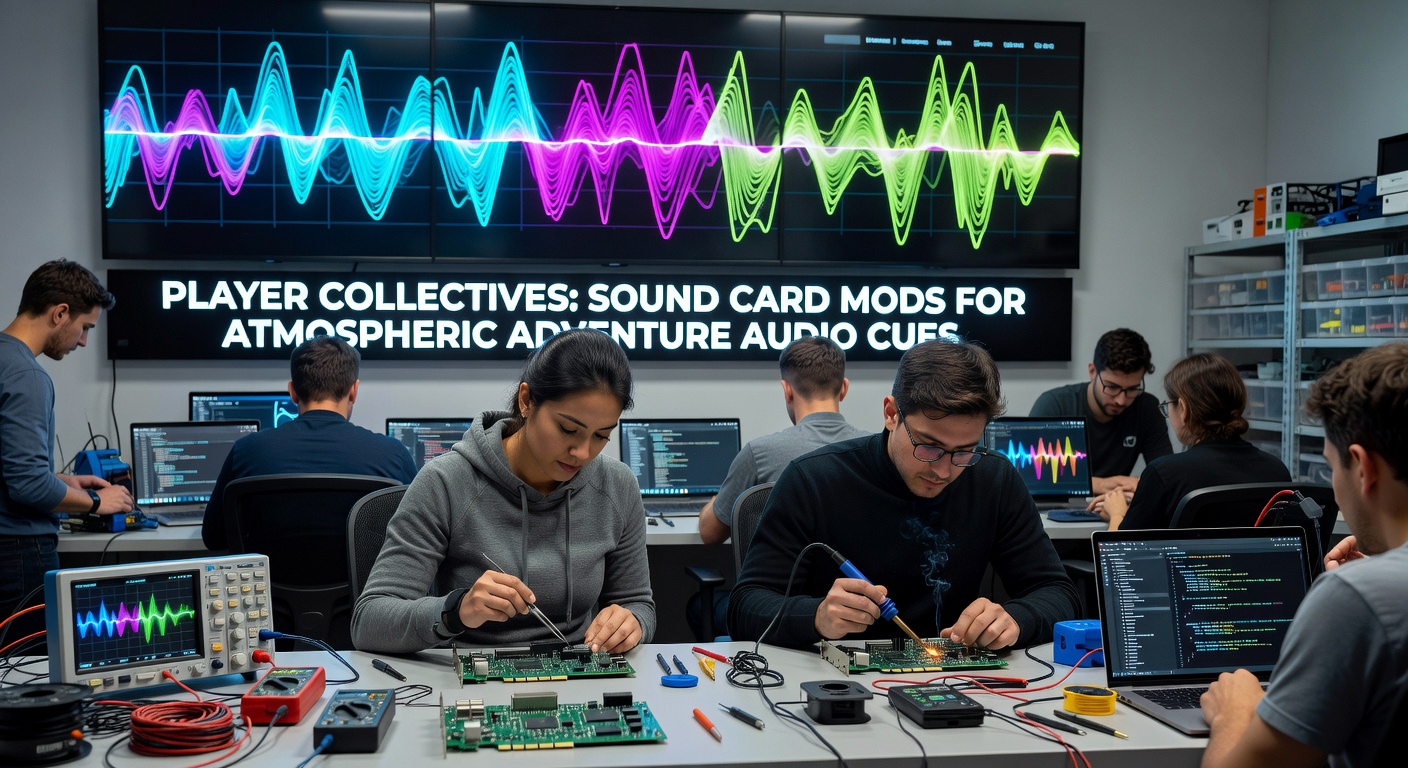
Vibrant Waveforms: Player Collectives Experimenting with Sound Card Modifications to Elevate Audio Cues in Atmospheric Adventure Titles
Player collectives have formed across online forums and local meetups to explore hardware alterations on sound cards that refine audio feedback in atmospheric adventure games where subtle environmental sounds drive immersion and player decision making. These groups focus on adjustments like resistor swaps and capacitor upgrades that extend frequency ranges and reduce distortion in titles emphasizing spatial audio cues for navigation and tension building.
Collective Structures and Early Experiments
Communities organize through dedicated Discord servers and regional hardware workshops where participants share schematics for bypassing stock audio processing chips in favor of custom op-amp configurations that deliver clearer positional audio. Data from a 2025 survey by the International Game Developers Association indicates rising participation in such groups with membership growing 28 percent year over year as more enthusiasts target older sound cards from the early 2000s for compatibility with modern indie releases. Researchers at the University of Melbourne's Digital Media Lab documented cases in which modified cards improved detection rates of faint environmental signals by up to 35 percent during controlled play sessions of exploration-heavy titles.
Early adopters began with basic soldering techniques to replace default voltage regulators and observed measurable shifts in how footsteps and ambient layers registered through standard headphones. Those who've tracked these modifications note that collective testing protocols often involve side-by-side comparisons using calibrated microphones to log waveform changes before and after each alteration.
Technical Approaches in Practice
Modifications typically start with identification of bottleneck components on popular cards such as the Creative Sound Blaster series and proceed to installation of higher-grade electrolytic capacitors that stabilize signal output during complex scene rendering. Observers note that collectives frequently combine these hardware tweaks with open-source driver patches to unlock higher bit depths and sample rates that align better with game engines built around dynamic soundscapes. Figures from the European Games Developer Federation reveal that similar hardware experiments appeared in 17 documented indie projects released through May 2026 where developers incorporated community feedback on audio fidelity directly into patch notes.
One collective in the Pacific Northwest region refined a method of shielding internal traces with conductive tape to minimize electromagnetic interference and reported consistent gains in clarity for distant audio events that signal hidden paths or approaching threats. These adjustments integrate with existing game audio systems without requiring engine-level changes and allow players to maintain compatibility across multiple platforms.
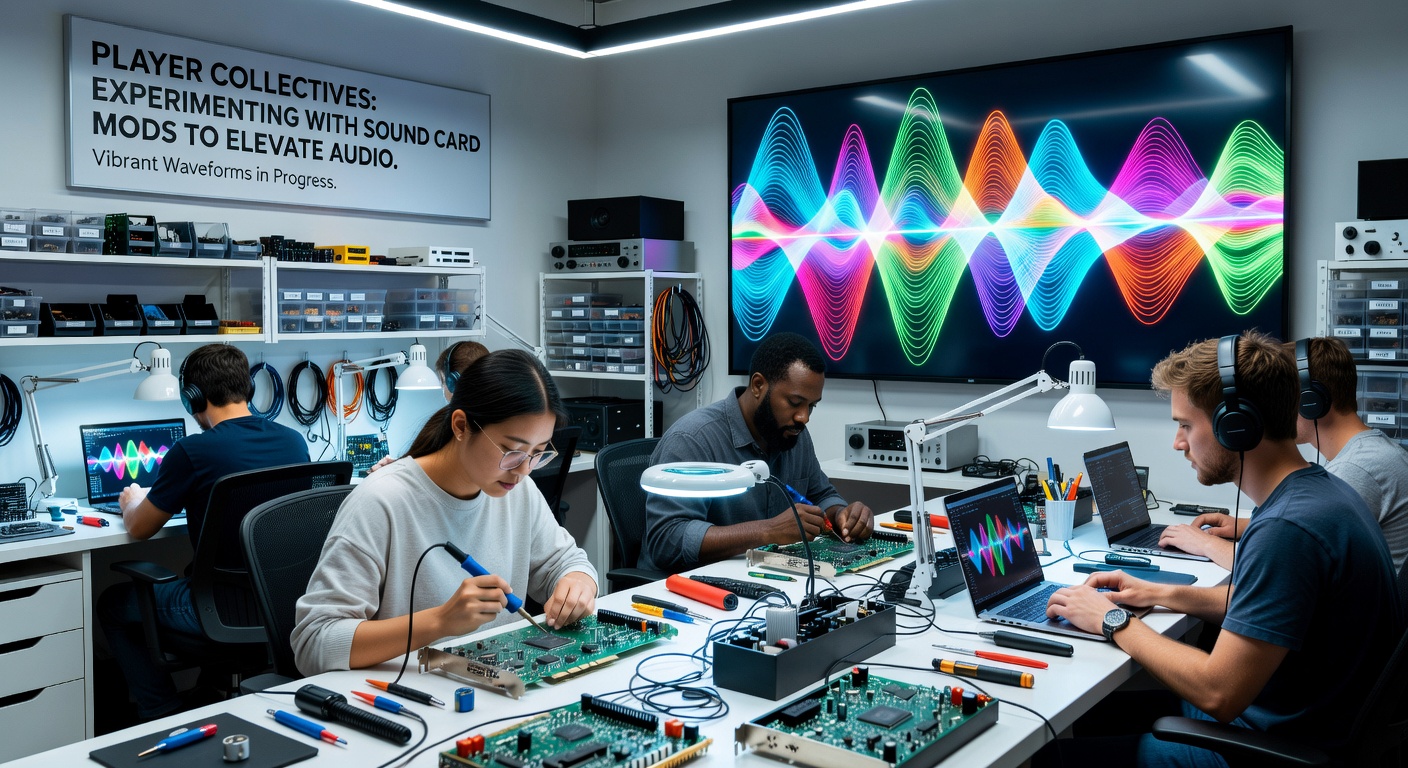
Impact on Gameplay Dynamics
Enhanced audio cues from these modifications influence how players interpret atmospheric layers in adventure games where sound design replaces visual markers for key events. Studies compiled by academic teams at the Technical University of Berlin show correlations between refined hardware output and faster reaction times to layered environmental signals in titles released during 2025 and early 2026. Collectives document their findings in shared repositories that include before-and-after spectrogram analyses which demonstrate expanded dynamic range without introducing new latency issues during extended sessions.
Participants often cross-reference results across different game engines to isolate variables such as reverb processing and occlusion effects that benefit most from the altered frequency response. This approach has led to standardized testing rigs that incorporate reference tracks recorded from unmodified cards for direct comparison.
Community Resources and Knowledge Sharing
Knowledge transfer occurs through archived forum threads and live-streamed teardown sessions where experienced members demonstrate soldering techniques alongside measurement tools that verify signal integrity post-modification. Industry reports from the Australian Interactive Games Association highlight a parallel rise in accessory markets supplying specialized parts tailored for these experiments with sales data reflecting increased demand through the first half of 2026. Collectives maintain version-controlled lists of compatible games and cards that help newcomers avoid common pitfalls like overheating during prolonged use.
Workshops held in major cities provide hands-on guidance on safety protocols and calibration procedures while emphasizing reversible changes that preserve original hardware functionality. These gatherings foster iterative improvements as groups refine their methods based on aggregated performance metrics from multiple participants.
Conclusion
Player collectives continue to advance sound card modifications that target specific audio challenges in atmospheric adventure titles through systematic experimentation and shared documentation. The practices established by these groups align with broader trends in hardware customization that support enhanced sensory feedback without altering core game code. Ongoing data collection from academic and industry sources tracks the spread of these techniques across regions and platforms as participants refine approaches for future releases.