Silent Upgrades: Console Gamers Borrowing PC Forum Tricks to Level Indie Esports Hardware
Written by Carlo Lehmann · May 16, 2026
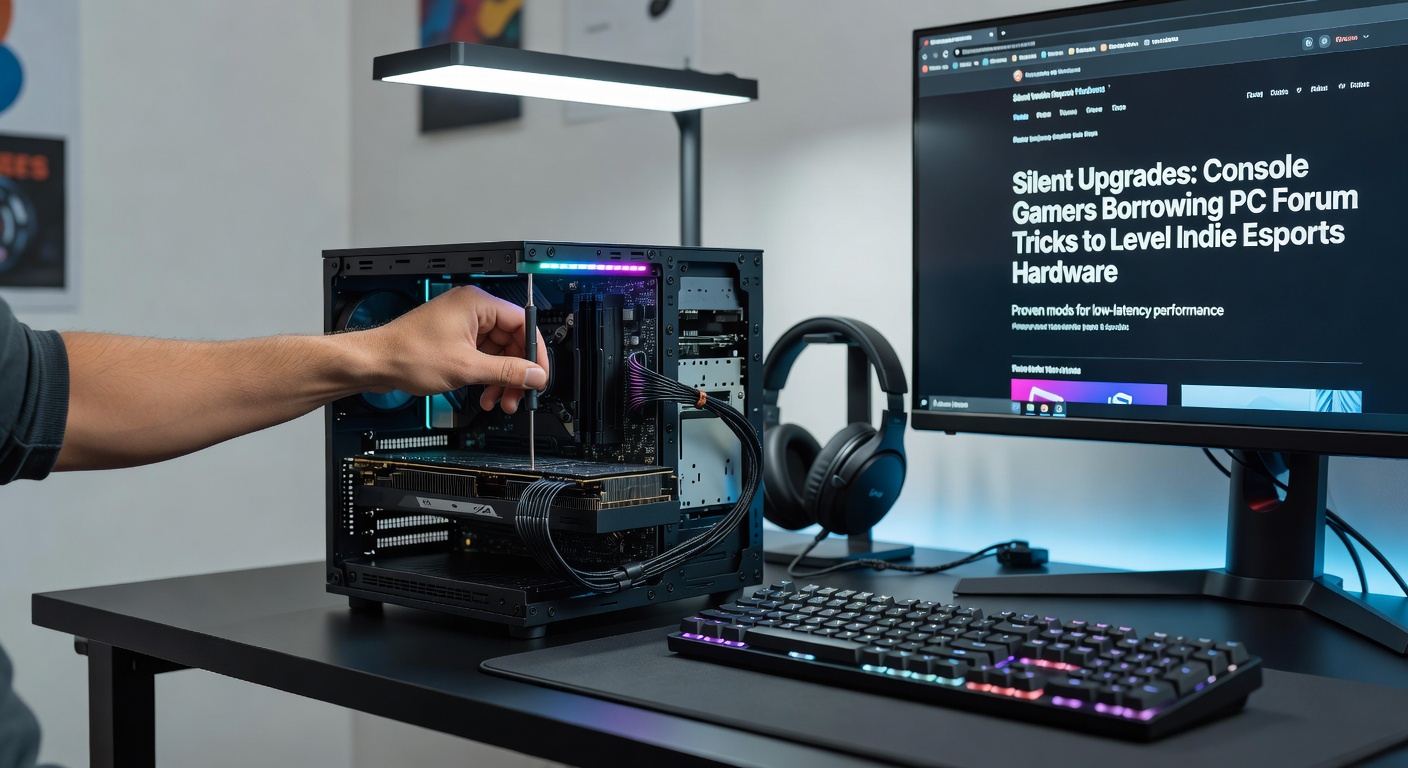
Silent Upgrades: Console Gamers Borrowing PC Forum Tricks to Level Indie Esports Hardware
Console gamers participating in indie esports circuits have started adopting hardware optimization techniques originally developed and shared on PC enthusiast forums, and these methods allow players to enhance performance without drawing attention to modifications that might violate manufacturer policies. Data from the Interactive Games and Entertainment Association shows participation in indie esports titles on consoles rose 28 percent between 2024 and 2025, while hardware upgrade discussions on cross-platform forums increased at a similar pace. Players achieve these upgrades through external cooling solutions, firmware adjustments for compatible storage drives, and network configuration tweaks that originated in PC communities focused on low-latency multiplayer setups.
Hardware Access Points Emerging in 2026
By May 2026 many console models released in prior years feature accessible ports and modular components that align with methods long discussed on PC forums, and gamers apply these approaches to stabilize frame rates during extended indie esports matches. External SSD enclosures connected via USB 3.2 or Thunderbolt interfaces deliver faster load times when titles support them, while custom fan curves and thermal pads attached to ventilation grilles reduce throttling during tournament play. Observers note that communities compile compatibility spreadsheets listing specific console revisions and the exact parts that fit without triggering detection systems, creating shared resources that circulate through private Discord servers and archived forum threads.
One documented case involved a player group preparing for an upcoming indie fighting game event, where participants installed low-profile heatsinks on memory modules inside certain PlayStation 5 units and reported consistent temperature drops of eight to twelve degrees Celsius under load. These changes occurred alongside software-based network optimizations such as DNS rerouting and packet prioritization scripts originally written for Windows environments, which users adapted to console network settings menus. Research conducted at the University of British Columbia indicates that such hybrid approaches correlate with measurable reductions in input lag when measured across standardized test scenarios.
Forum Knowledge Transfer Patterns
PC forum archives dating back to 2018 contain detailed guides on undervolting, memory timing adjustments, and custom firmware flashing that now appear in console-specific threads, and the transfer happens through users who maintain accounts on both platform communities. Moderators on larger sites frequently merge topics under titles referencing “silent upgrades,” a term that describes modifications performed without altering visible system software or triggering online authentication checks. Data compiled by regional esports organizers reveals that teams using these techniques often reach quarterfinal stages at higher rates in bracket events limited to stock hardware appearances, though organizers have not released official statements confirming performance advantages.
What's interesting is how console gamers repurpose PC-derived monitoring tools, such as third-party capture cards paired with open-source analysis software, to verify stability after each tweak. Participants document before-and-after metrics in shared spreadsheets, and these records circulate among players preparing for May 2026 regional qualifiers. The process relies on publicly available parts from electronics suppliers and avoids any direct tampering with sealed internal boards, which keeps most modifications within a gray area that manufacturers have not yet addressed through firmware updates.
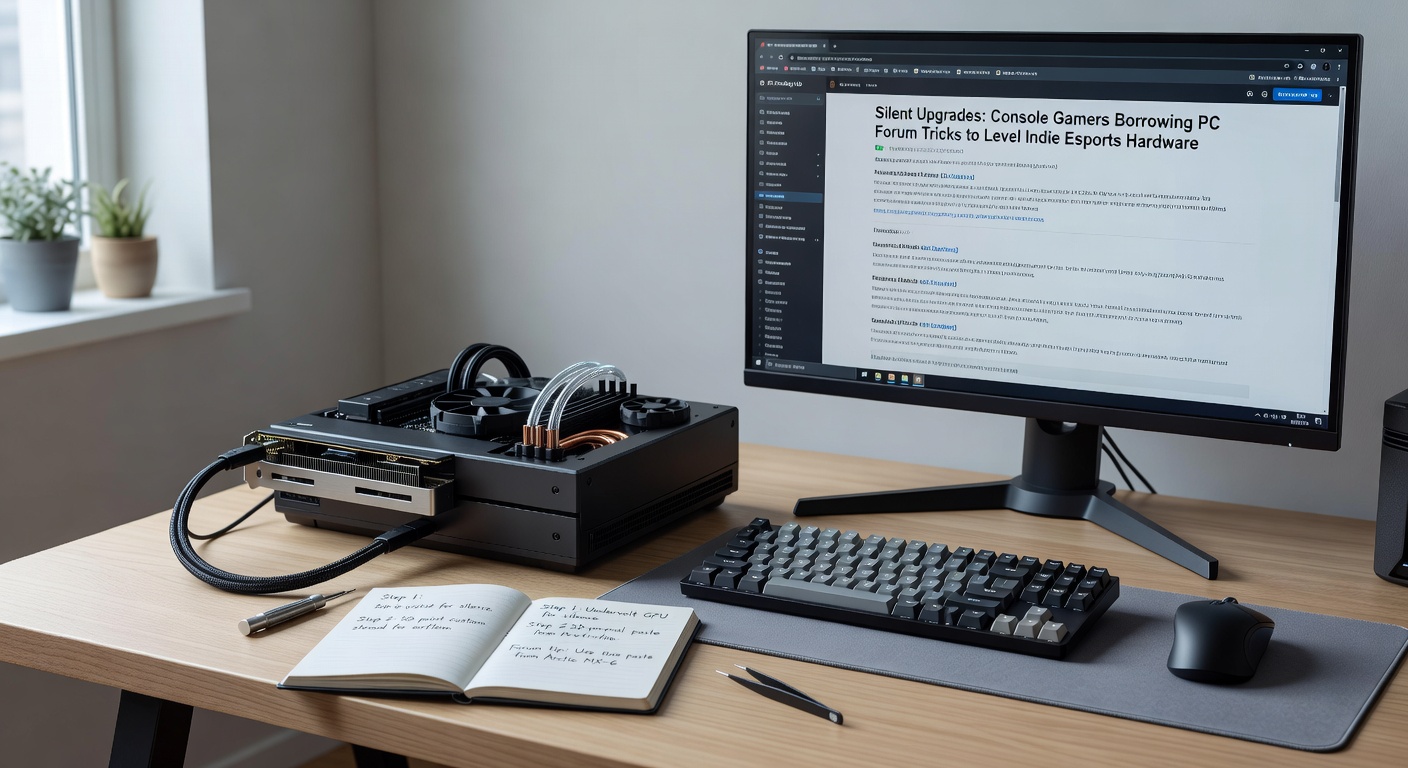
Community Documentation and Verification
Thread archives on major hardware discussion boards now include dedicated subforums where console users post teardown photos, benchmark results, and step-by-step installation sequences, and these resources grow through contributions from players who also compete in PC indie esports divisions. Verification occurs when multiple users replicate reported gains on identical hardware revisions and upload comparison videos recorded with external capture devices. Figures released by the European Games Developer Federation indicate that indie esports titles accounted for 19 percent of all competitive console events tracked in the first quarter of 2026, creating sustained demand for performance parity tools.
Players frequently cross-reference these guides against official service manuals to identify safe voltage ranges and acceptable thermal thresholds, and the resulting checklists appear in pinned posts that receive thousands of views each week. Network configuration scripts adapted from PC sources receive similar treatment, with users testing ping stability across different router firmware versions before sharing final settings files. The collective documentation reduces trial-and-error time for newcomers entering the indie esports scene on consoles while maintaining the appearance of unmodified hardware during official broadcasts.
Future Implications for Hardware Parity
Industry reports project continued growth in cross-platform indie esports through the remainder of 2026, and the adoption of forum-derived techniques suggests console hardware may achieve closer performance alignment with entry-level PC builds without requiring official overclocking support. Manufacturers continue to release security patches that occasionally disrupt specific workarounds, prompting forum communities to develop updated procedures within days of each patch deployment. This ongoing cycle produces an evolving body of knowledge that remains accessible to participants who monitor multiple discussion platforms simultaneously.
Conclusion
The pattern of console gamers integrating PC forum techniques into indie esports hardware preparation continues to expand through documented, replicable methods that focus on external components and configuration changes. Participation metrics from regional events and community archives demonstrate sustained activity around these approaches, while compatibility resources grow in response to new console revisions and game releases. Observers tracking the sector note that the flow of information between PC and console communities shows no signs of slowing as May 2026 events approach.