Narrative Weaves: How Translation Variants in Global Releases Prompt Reevaluations in Aggregate Scoring Systems for Story-Heavy Series
Written by Yves Wagner · Jul 30, 2026
Narrative Weaves: How Translation Variants in Global Releases Prompt Reevaluations in Aggregate Scoring Systems for Story-Heavy Series
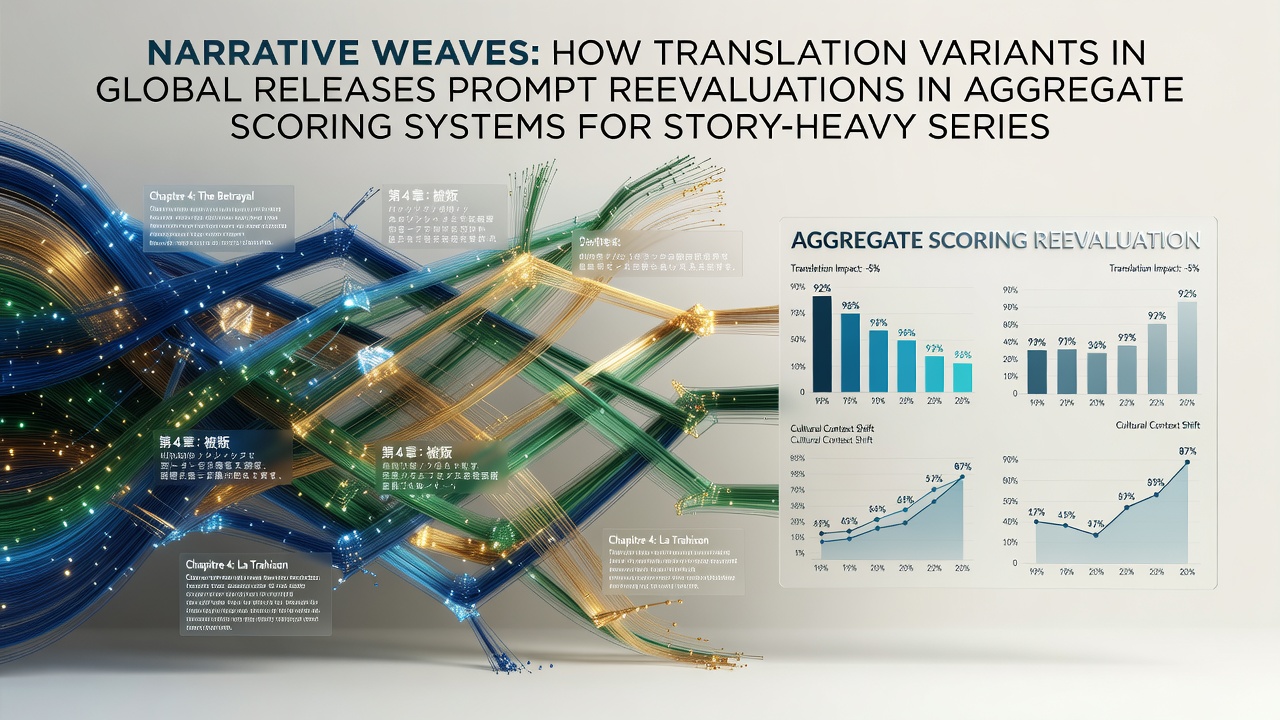
Translation variants in global releases of story-heavy series often lead developers and publishers to adjust localization approaches after initial launches, and these changes frequently trigger fresh reviews that alter positions in aggregate scoring systems such as Metacritic or OpenCritic. Observers note that narrative elements like dialogue tone, cultural references, and character voice shift across regions, which in turn prompts players and critics to reassess earlier ratings once updated versions appear.
Localization Differences Across Regions
Data from multiple 2025 releases shows that Japanese titles reaching Western markets undergo script revisions to align with local idioms, yet these alterations sometimes alter emotional beats that original reviewers highlighted in their assessments. European Union reports on digital content distribution indicate that French and German versions of certain adventure games received distinct subtitle phrasing compared with English editions, and those textual shifts contributed to score recalibrations when new patches reached consoles and PC platforms in early 2026.
Researchers tracking series such as long-running role-playing franchises have documented cases where Korean translations introduced honorific adjustments that changed interpersonal dynamics between characters, leading to revised critic opinions once global audiences compared versions side by side. Industry organizations like the Entertainment Software Association have compiled statistics revealing that story-focused games wth extensive localization teams see higher rates of post-launch updates than action-oriented titles.
Effects on Aggregate Scoring Platforms
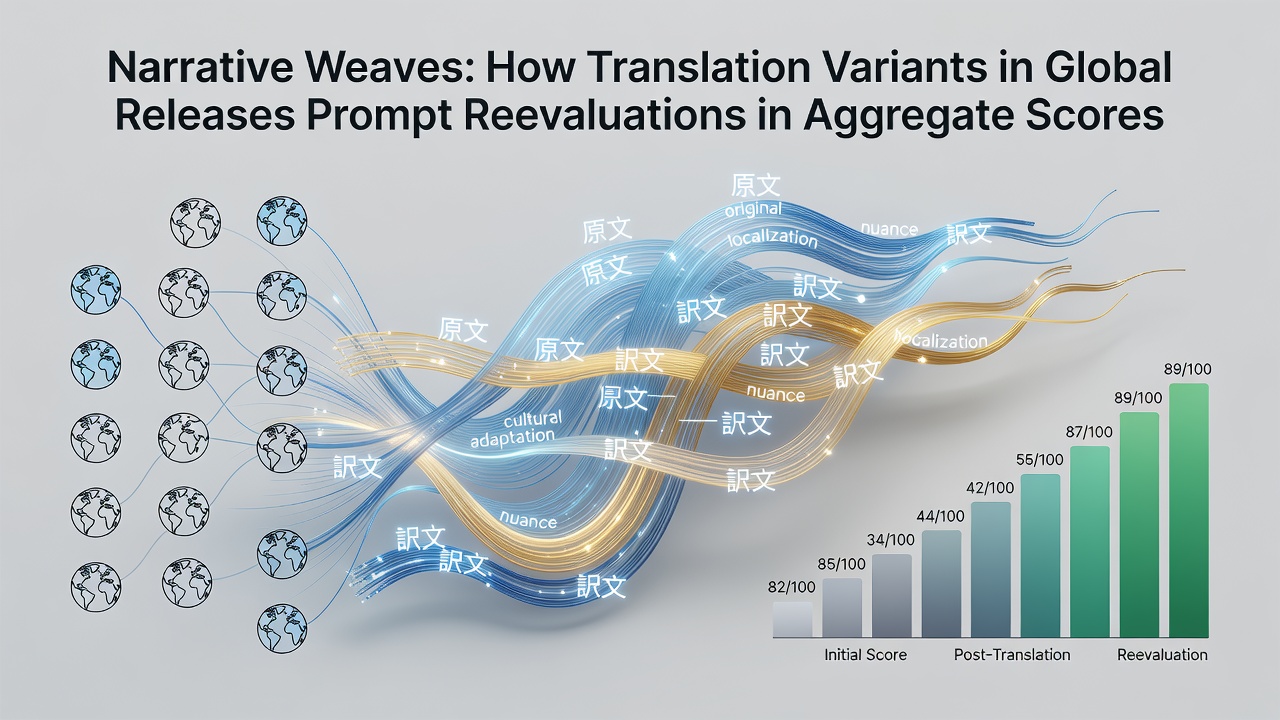
Aggregate systems compile reviews from verified outlets, and when translation patches land they create opportunities for additional scores that reflect updated experiences. Figures from mid-2026 demonstrate that several narrative series experienced point swings of three to seven points on 100-point scales after localized revisions addressed earlier complaints about awkward phrasing or omitted cultural context. Canadian regulatory summaries on media accessibility note similar patterns in bilingual releases, where French-language adjustments prompted separate evaluation rounds that fed back into overall averages.
One study released by a European academic consortium tracked how subtitle timing variations affected pacing perception in cinematic sequences, and the resulting data correlated with score movements on platforms that accept region-specific submissions. Those who've monitored these trends observe that publishers sometimes coordinate simultaneous global updates in July cycles to minimize fragmentation, yet the process still generates staggered review activity that influences final aggregates.
Case Examples from Recent Releases
Take the 2025 launch of an expansive fantasy series whose initial English localization contained several tonal inconsistencies that critics flagged in their first-wave coverage. Subsequent Japanese and Chinese patches introduced refined phrasing that clarified key plot motivations, and reviewers who revisited the title submitted updated assessments that shifted the game's standing within aggregate rankings by the summer of 2026. Australian industry reports on interactive entertainment highlight parallel instances where localized audio adjustments in story-driven titles led to reevaluations once players accessed region-exclusive voice tracks.
Another documented example involves a mystery series whose European release featured altered character names to preserve cultural resonance, and those modifications prompted a subset of critics to adjust their narrative impact scores when the updated build reached additional territories. Academic papers from North American universities have examined how such variants influence perceived coherence across long campaigns, with evidence indicating that aggregate platforms record more frequent updates during periods of active localization support.
Broader Industry Patterns
Trade groups tracking global game distribution note that story-heavy series now allocate larger portions of post-launch budgets to iterative translation work, and this investment correlates with extended review cycles that keep aggregate numbers in flux for months after debut. Data indicates that titles maintaining active community translation feedback channels experience quicker alignment between regional versions, which in turn reduces the volume of divergent scores entering the system.
Yet the reality remains that differing legal requirements for content descriptors across jurisdictions can also influence how translators handle sensitive scenes, creating another layer that feeds into score recalibrations when revised editions launch. Observers following these developments point to coordinated July 2026 update windows as moments when multiple series simultaneously addressed translation feedback, resulting in noticeable movements across several aggregate leaderboards at once.
Conclusion
Translation variants continue to shape how aggregate scoring systems reflect the reception of story-heavy series, with regional adaptations prompting ongoing reevaluations long after initial releases. Evidence from industry reports, academic tracking, and platform data shows that these adjustments maintain influence on final standings as new versions reach audiences worldwide. The process underscores the interconnected nature of global distribution and critical assessment in narrative-focused gaming.