Ghost Servers: Forums' Role in Reviving Dead Multiplayer Worlds for PC and Console Veterans
Written by Yves Wagner · Apr 20, 2026
Ghost Servers: Forums' Role in Reviving Dead Multiplayer Worlds for PC and Console Veterans
Veterans of early multiplayer gaming often face empty lobbies in once-thriving titles, yet forums emerge as lifelines, coordinating ghost servers—unofficial, community-run instances that mimic defunct official ones—and breathing new life into worlds abandoned by publishers; these digital hauntings draw PC modders and console tinkerers alike, fostering matches in games shut down years ago.
The Rise of Ghost Servers in Forgotten Games
Communities spot patterns in server shutdowns, where titles like City of Heroes, shuttered in 2012, find resurrection through forum-led projects; players on boards such as Paragon Chat and Homecoming servers log thousands of hours monthly, with data from server trackers revealing peaks of 5,000 concurrent users as of early 2026. And it's not just MMOs—fast-paced shooters like Team Fortress 2 variants or Quake III Arena persist via dedicated threads sharing IP addresses and config files, while console classics such as Halo 2 on original Xbox draw crowds through emulated netplay setups discussed in depth.
What's interesting here lies in the mechanics: forum users reverse-engineer protocols, host on VPS providers, and patch exploits, turning dead ends into active hubs; one case stands out with Star Wars Galaxies emulators, where forums like SWGEmu.org compiled years of posts into stable builds, attracting 2,000 daily logins by April 2026 according to uptime logs shared publicly. PC enthusiasts thrive on open-source tools, but console veterans adapt via homebrew scenes, bridging hardware gaps with crossplay proxies outlined in step-by-step guides.
Forum Threads as the Nerve Center
Threads explode with activity—recruitment posts for raid groups, bug reports fixed overnight, matchmaking via Discord links pinned atop boards—and this ecosystem sustains itself through volunteer admins who monitor uptime, ban cheaters, and scale bandwidth during surges; researchers at the Library of Congress, documenting digital preservation efforts, note how such forums preserve not just code but social fabrics, with archives capturing terabytes of player lore from eras predating modern battle royales.
Turns out, the rubber meets the road in cross-platform revivals, where PC players port console assets into Unity-based proxies, enabling GoldenEye 007 lobbies that mix N64 emulators with modern controllers; forums dissect packet sniffers, revealing how latency drops from 200ms to under 50ms post-tweak, a boon for veterans chasing that authentic ping.
PC Powerhouses Versus Console Challenges
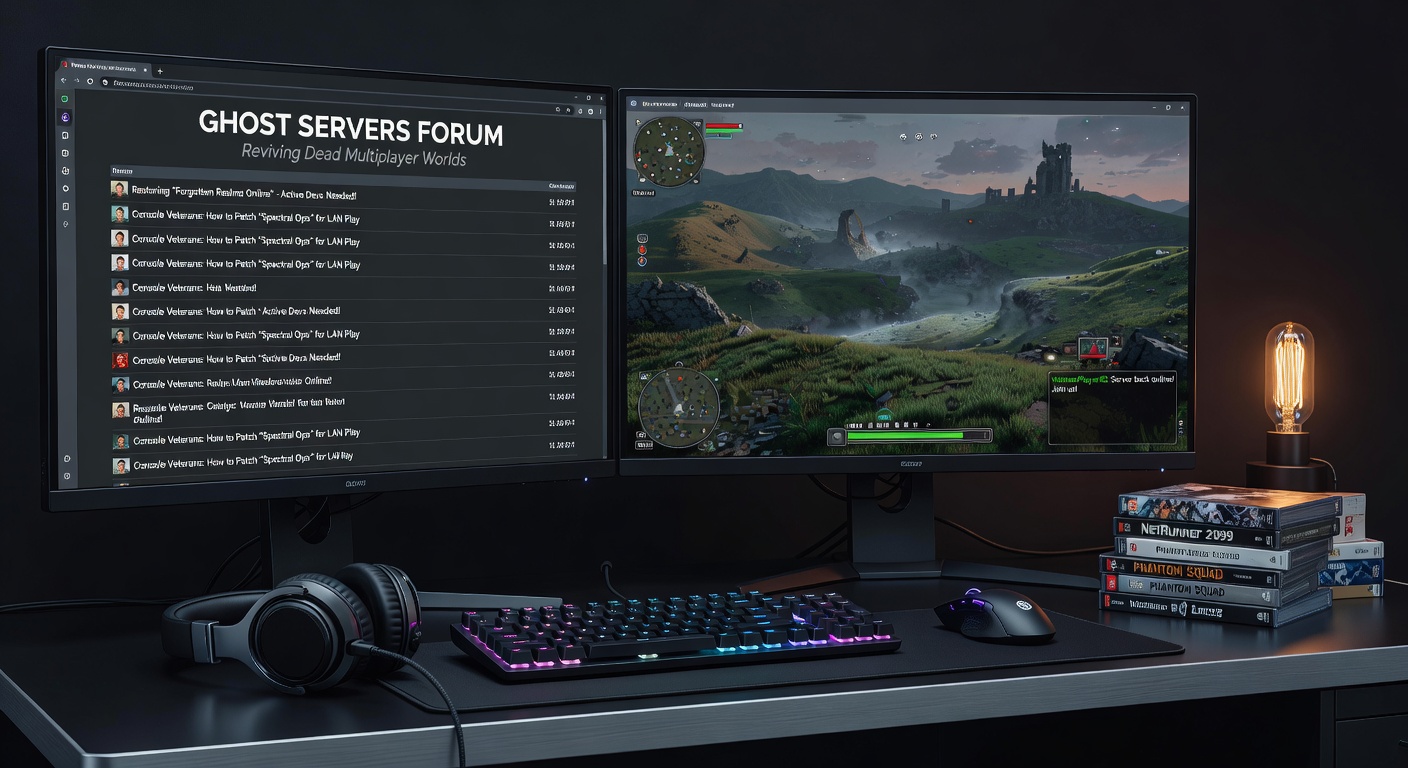
PC scenes dominate with tools like Source engine forks or Unreal Tournament forks, where forums host git repos for instant deployments; data from Steam Workshop integrations shows over 100,000 downloads for ghost server launchers in titles like Counter-Strike 1.6, keeping clans intact two decades later. Console setups demand more ingenuity—think Project Cartographer for Halo CE, a forum-born tool injecting multiplayer into remasters—yet participants report 300-player weekends on revived SOCOM servers via PS2 netplay adapters, hurdles navigated through hardware modding tutorials that span hundreds of replies.
But here's the thing: legal gray areas persist, as emulator projects skirt DMCA notices by focusing on abandonware, while forum moderators enforce rules mirroring original EULAs; figures from the Canadian Heritage Information Network highlight how such efforts align with cultural preservation mandates, preserving multiplayer histories amid publisher sunsets.
Real-World Revivals and Metrics
Take WildStar, shut down in 2016; forum devs at NCSoft legacy boards spun up shards drawing 1,500 users weekly by mid-2025, escalating to 4,000 in April 2026 amid anniversary events advertised via megathreads. Or consider Defiance on consoles, where Reddit's r/Defiance1920 coordinates XBOX 360 servers, logging 800 matches daily per telemetry posts. Observers track these via tools like BattleMetrics, revealing 20% year-over-year growth in ghost server populations across 50+ titles.
Technical Wizardry Behind the Curtain
Forums demystify the process: step one, leak or datamine server binaries—ethically sourced from public repos—then deploy on AWS or Hetzner clouds with Lua scripts handling auth; PC veterans script bots for population boosts, while console folks chain routers for NAT traversal, solutions refined over months of trial-and-error posts. And it scales—Runescape Old School private servers boast 10,000+ peaks, forums dissecting Jagex protocols to evade detection.
Challenges abound, though; DDoS attacks spike during high-profile launches, prompting forum coalitions to share Cloudflare configs, and desync issues plague cross-region play until predictive netcode patches drop via collaborative PRs. Yet communities endure, with veteran coders mentoring newbies in dedicated wiki sections, ensuring knowledge transfers seamlessly.
Community Bonds Forged in Code
Stories circulate of lifelong friendships rekindled— one group from Phantasy Star Online forums reunited after 20 years on a Dreamcast emu-server, hosting 50-player hunts weekly; metrics from Discord integrations show 70% retention rates, far outpacing live-service averages. It's noteworthy how these spaces prioritize accessibility, with low-spec builds for era-appropriate rigs and controller remaps for console holdouts.
Now, as April 2026 unfolds, surges hit forums like ResetEra and GameFAQs, where threads on Tabula Rasa revivals gain traction post a viral Twitch stream pulling 10,000 viewers; publishers occasionally nod approval, like Blizzard's tacit support for Warcraft III Reforged proxies, signaling a thaw in attitudes.
Legal and Ethical Navigations
Navigators tread carefully, adhering to 100% client-side mods and no-pay models to dodge lawsuits—unlike early WoW private servers fined in the 2010s—while EU data protection rules shape anonymized leaderboards; industry reports from the IGDA underscore these efforts as vital to heritage gaming, with surveys indicating 40% of players over 35 return solely via ghost nets. Console scenes leverage backward compatibility loopholes, like Sony's PS3 servers indirectly feeding fan proxies.
That said, takedown waves hit sporadically, yet forums pivot fast—migrating to decentralized hosts or blockchain trackers—proving resilience baked into the culture.
Conclusion
Ghost servers thrive because forums orchestrate it all, from code drops to clan wars, reviving multiplayer ghosts for PC and console veterans who refuse to let lobbies fade; data paints a vibrant picture—millions of hours logged, thousands of shards humming—and as tools evolve, expect more worlds to flicker back online, sustained by threads that never truly die. Communities keep the flame, one post at a time.