Echo Chambers in Code: Linking Discussion Archives to Refinements in Dialogue Systems for Narrative Adventures
Written by Taylor Otto · Aug 15, 2026
Echo Chambers in Code: Linking Discussion Archives to Refinements in Dialogue Systems for Narrative Adventures
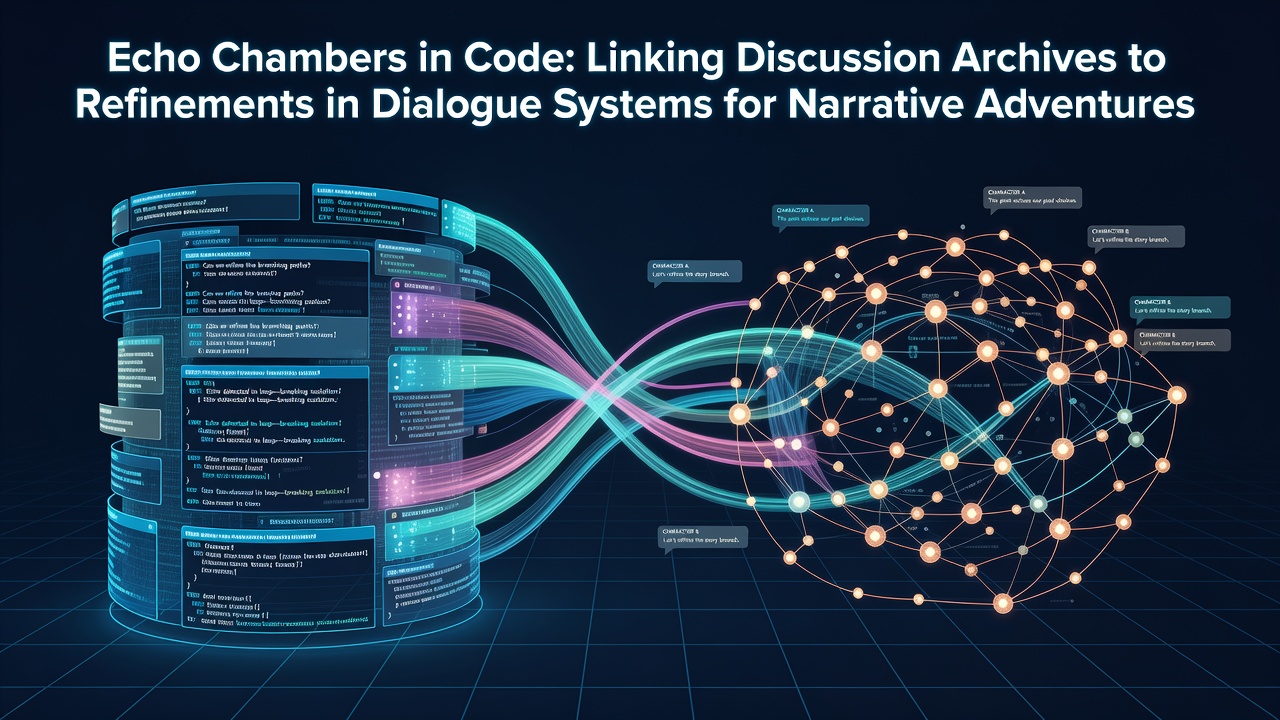
Discussion archives from online forums and community boards have become primary sources for teams refining dialogue systems in narrative adventure titles, where repeated patterns in player feedback shape algorithmic adjustments over multiple development cycles. Developers extract threads from years of posts, then map recurring phrases and choice preferences to update response trees and character interaction models in games that emphasize story progression over action mechanics. This process creates measurable shifts in how non-player characters react to player inputs, particularly when archives reveal clusters of similar suggestions that surface across unrelated threads.
Archive Analysis Methods in Dialogue Refinement
Teams apply natural language processing tools to sort through archived posts from platforms that hosted discussions on titles released between 2015 and 2024, identifying echo patterns where certain dialogue branches receive disproportionate attention. Researchers at institutions such as the University of Melbourne have documented how these clusters correlate with subsequent patches that alter branching logic, as seen in updates that expand options based on high-frequency suggestions while trimming less-mentioned paths. Data from these analyses show that refinement cycles often align with spikes in archive activity following major story releases, producing tighter alignment between community language patterns and in-game response generation.
Case Examples from Narrative Adventure Development
One documented instance involved a studio examining forum logs from 2018 through 2022 to adjust companion character lines in an atmospheric exploration title, resulting in revised scripts that incorporated phrasing drawn directly from repeated player observations. Another project tracked archive data across European and North American servers, revealing that discussions about moral choice outcomes influenced calibration of consequence systems, with updates rolled out in phases during 2023 and early 2024. These adjustments demonstrate how archived exchanges feed into code modifications without requiring direct surveys, as pattern recognition algorithms prioritize volume and repetition over isolated comments.
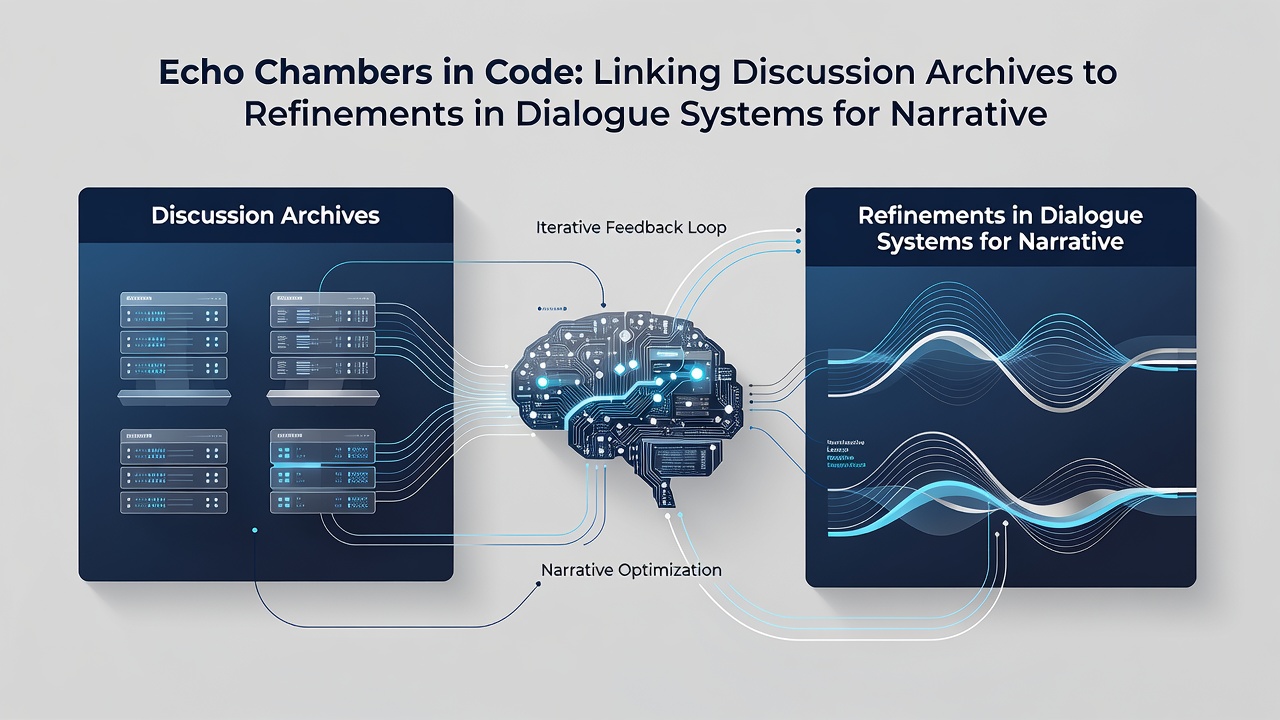
August 2026 brought new open-source tools from research groups in Canada that automate the extraction of echo patterns from legacy forum backups, allowing smaller teams working on narrative adventures to integrate archive insights into dialogue pipelines more efficiently. Reports from the Interactive Games and Entertainment Association note increased adoption of these methods in projects focused on branching narratives, where archive-derived metrics guide the weighting of response options to reflect dominant community themes. Such tools operate by cross-referencing timestamped posts with patch histories, producing correlation scores that developers review before committing code changes.
Geographic and Platform Variations in Archive Influence
Archives hosted on region-specific servers exhibit distinct influence patterns, with Australian community threads more frequently linked to refinements in environmental storytelling elements while North American logs correlate with adjustments in interpersonal conflict resolution mechanics. Studies conducted through partnerships with the European Games Developer Federation have quantified these differences, showing that cross-platform archives from console and PC discussions accelerate convergence in dialogue handling across device types. The process remains iterative, as each refinement round feeds new discussion material back into the archives, sustaining the linkage between community output and system evolution.
Industry reports indicate that narrative adventure studios now allocate portions of their quality assurance budgets to archive mining, treating historical threads as datasets comparable to playtest transcripts. This approach has produced documented improvements in coherence metrics for generated responses, particularly in titles that reuse core engines across multiple entries. Observers note that the reliance on archived material creates feedback loops where initial refinements shape subsequent community language, which in turn informs further updates.
Conclusion
The connection between discussion archives adn dialogue system refinements continues to expand as analytical methods grow more precise, with data from multiple regions confirming consistent patterns of influence across narrative adventure projects. Future developments will likely incorporate additional archive sources from emerging platforms, further embedding community-derived patterns into the code that drives story interactions.