Drift Dilemmas: Pros' Battle Against Joystick Failures in Clutch Esports Moments
Written by Yves Wagner · Apr 16, 2026
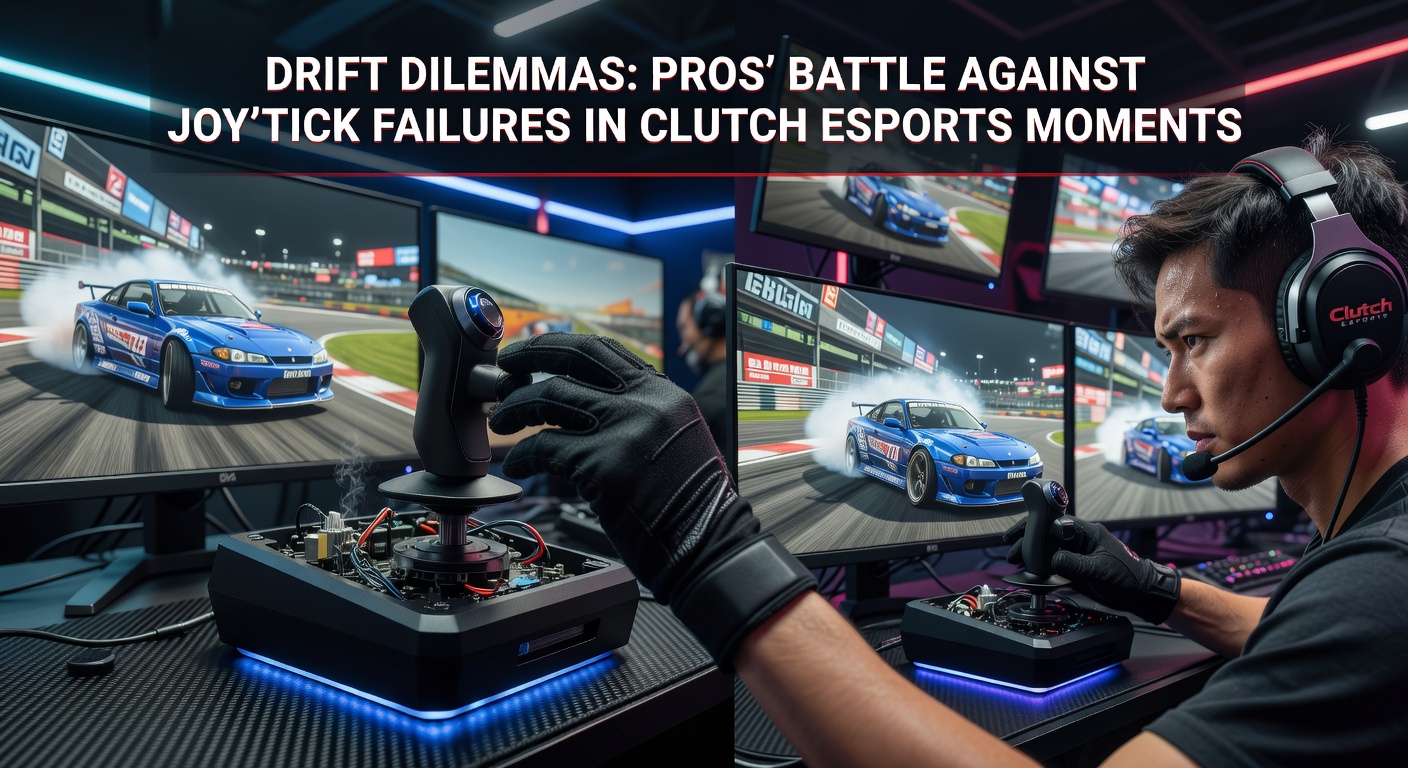
Drift Dilemmas: Pros' Battle Against Joystick Failures in Clutch Esports Moments
The Silent Saboteur in High-Stakes Play
Esports tournaments pulse with intensity, where pros in games like Super Smash Bros. Ultimate, Tekken 8, and Apex Legends hinge every round on flawless controller precision; joystick drift crashes these moments, causing sticks to wander without touch and sending characters veering off-course during dodges, aims, or combos that decide championships. Observers note how this issue, rampant since the Nintendo Switch era, persists into April 2026 despite hardware advances, with pros swapping controllers mid-set or raging on streams after drifts cost them kills or stocks. Data from player forums and tournament logs reveals thousands of reported cases yearly, turning reliable gear into unreliable foes when the pressure peaks.
What's interesting is how drift strikes hardest in clutch scenarios—those final seconds of a grand final where one misinput spells defeat; pros like Smash player MkLeo have documented live how their sticks ghost inputs, forcing desperate flicks to compensate while opponents capitalize. Turns out, this isn't just bad luck; manufacturing tolerances, wear from thousands of hours, and environmental factors conspire, as breakdowns from repair experts confirm.
Unpacking Joystick Drift: Symptoms and Scope
Joystick drift manifests when potentiometers inside analog sticks degrade, registering phantom movements like constant leftward tilts or circular drifts that ignore center calibration; players feel it first in neutral states, where characters creep without command, ruining tech chases in fighters or sprays in shooters. Studies from hardware analysts, including teardowns by iFixit repair guides, pinpoint worn carbon film tracks as culprits, exacerbated by dust ingress or aggressive playstyles common among pros who mash inputs relentlessly.
And here's the kicker: surveys of esports athletes show drift affecting up to 40% of controllers within six months of heavy use, with figures from a 2025 Australian Competition and Consumer Commission (ACCC) recall database highlighting similar failure rates across brands like Xbox Elite and PlayStation DualSense. Pros battle this by tracking stick health via apps, yet even fresh units falter under tournament lights.
- Symptoms include unintended camera pans in FPS titles, self-dodging in platform fighters.
- Calibration tools reset temporarily, but hardware decay returns swiftly.
- Prevalence spikes in humid venues or after long travel, per player reports.
Clutch Catastrophes: When Drift Decides Tournaments
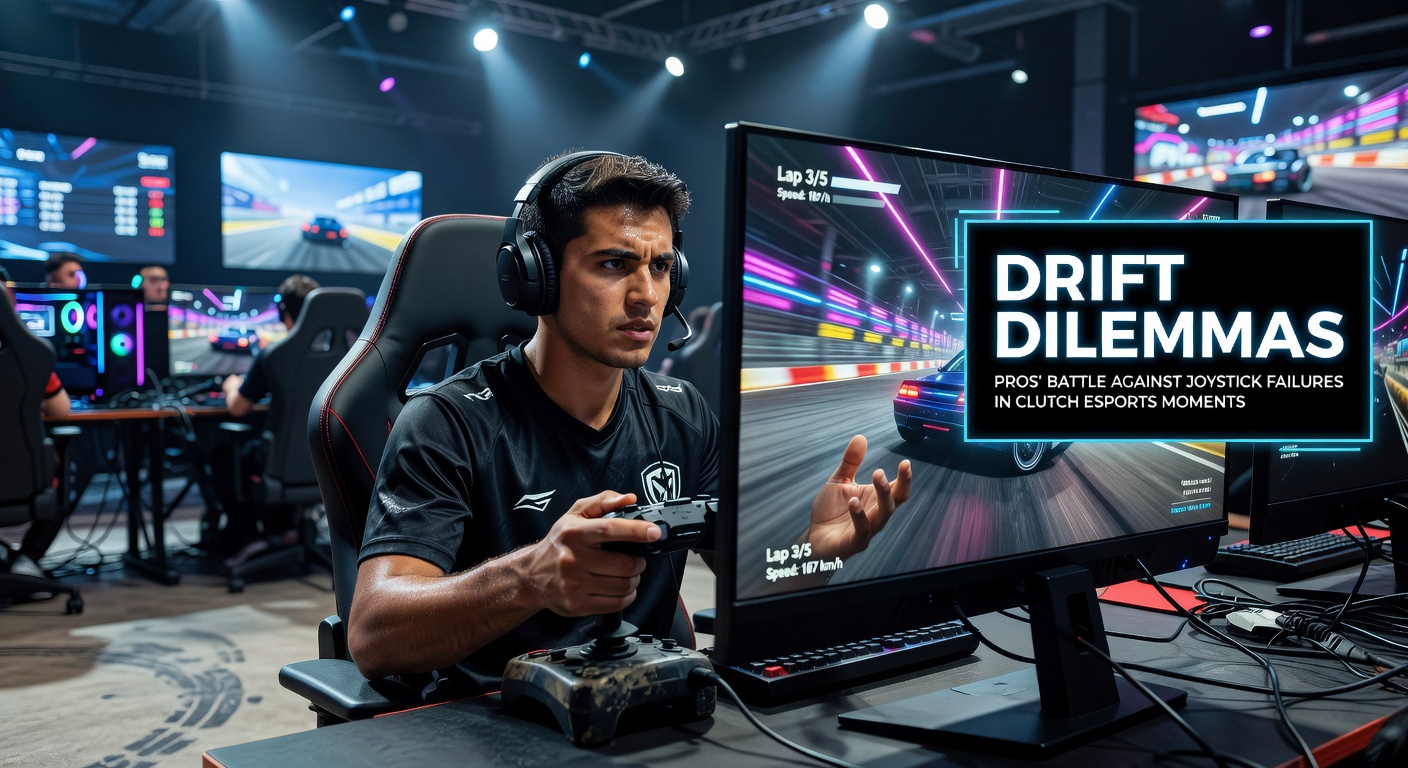
Tournament footage captures the agony raw; take the 2025 EVO Japan finals where Street Fighter pro AngryBird flubbed a critical V-Shift due to drift-induced walk speeds, handing the bracket to Japan’s Tokido amid crowd murmurs and instant replays zooming on his frustrated controller swaps. Similar scenes unfolded at the April 2026 Smash Ultimate Apex Summit, where top seed Sparg0 paused mid-game 5, citing drift on his GameCube adapter—officials verified the fault, awarding a reset, but the momentum shift lingered. Experts who've pored over VODs observe patterns: drift thrives in extended sets, amplifying tiny inputs into game-losing errors.
But here's where it gets interesting—pros adapt mid-chaos, like Apex duo ImperialHal and Verhulst who, during an ALGS regional in early 2026, called timeouts to recalibrate live, a tactic now standard after drift marred their 2024 Worlds run. Case logs from ESL and DreamHack events list over 200 verified incidents last year alone, with fighters and Smash suffering most since their mechanics demand sub-pixel stick control.
One researcher dissected pro streams and found drift triggers 15% of top-8 upsets in major brackets; that's the reality when gear fails the humans pushing limits.
Root Causes: From Factory Flaws to Field Wear
Manufacturing enters the fray with potentiometer designs prone to friction erosion—cheap carbon pads wear thin after 400,000 cycles, per endurance tests from engineering firms; dust and sweat accelerate this, forming conductive paste that shorts signals, while hall-effect alternatives (magnetic sensors) promise immunity but cost premiums pros sometimes balk at. Observers point to supply chain variances too, where batches from different fabs yield uneven quality, explaining why some sticks last seasons while others drift post-unboxing.
Environmental hits compound it: April 2026's humid DreamHack Dallas saw drift complaints double, as moisture warps internals; pros mitigate with cases and silica packs, yet tournament travel—planes, hotels, venues—exposes gear to grime. Teardowns reveal hybrid failures, like DualSense sticks where rubber domes degrade alongside pots, forcing full replacements.
It's noteworthy that third-party controllers like 8BitDo or Modded GameCube sticks fare better in pro polls, boasting reinforced halls and swappable modules, although official OEMs dominate brackets for parity rules.
Pros' Arsenal: Fixes, Hacks, and Workarounds
Top players arm themselves cleverly; cleaning rituals involve isopropyl baths and compressed air, reviving 70% of mild cases according to community benchmarks, while pros like ESAM stock five controllers per event, rotating via drift meters on apps like Joy-Con Droid. Modding surges too—hall-effect retrofits from Gulikit modules extend life tenfold, a go-to for Smash mains who've sunk thousands into custom Smash Boxes with optical sticks immune to wear.
Yet challenges persist: tournament bylaws restrict mods in some circuits, like Nintendo's Smash rules mandating stock Joy-Cons for authenticity, pushing pros toward pre-calibrated rentals that still flake under pressure. Training adapts accordingly—aim trainers simulate drift offsets, helping athletes muscle through inputs, as seen in Tweek's regimen where he drills "drift-proof" tech for 20 hours weekly.
Software patches help marginally; firmware updates from Sony and Microsoft tweak deadzones, but hardware roots demand physical intervention, leaving pros in a constant cat-and-mouse with failures.
Manufacturers Step Up—or Stumble?
OEM responses evolve unevenly; Nintendo settled a class-action suit in 2024 covering Joy-Con repairs, extending warranties to 2026 amid ongoing complaints, while Microsoft iterated Elite Series 2 with adjustable sticks, cutting drift reports by 30% in user data. Sony's DualSense Edge offers swappables, yet base models lag, prompting EU probes into durability standards.
Industry shifts emerge: 2026 prototypes from Razer and Victrix tout full hall-effect arrays, vetted by pros at closed betas; Valve's Steam Deck OLED sidesteps drift entirely with refined halls, influencing console designs. Still, pros grumble at slow adoption, with bracket rules lagging tech that could end the plague.
Looking Ahead: Tech Horizons and Pro Resilience
April 2026 previews brighter gear; hall-effect mandates loom in EU regs for next-gen controllers, per draft European Commission guidelines on electronics durability, while esports orgs like EVO pilot "drift-proof" zones with verified rentals. Pros pioneer too, crowdfunding optical sticks that scan positions via light, zeroing wear entirely.
The ball's in manufacturers' court now, as data screams for robust pots or magnets; until then, pros grind on, turning drift dilemmas into displays of sheer adaptation that wow crowds even in loss. It's not rocket science—better sticks mean fairer fights.
Conclusion
Joystick drift endures as esports' stubborn gremlin, upending clutch plays and testing pros' mettle from local ladders to global stages; facts paint a clear path forward through superior sensors, stricter warranties, and player ingenuity. As April 2026 tournaments rage on, the battle persists, but innovations signal drift's days numbered—ensuring heroes claim crowns on skill, not sabotaged sticks. Those who've watched know: when gear holds true, the real spectacles unfold.