Cross-Platform Patchwork: Tracing Indie Title Adaptations Through Decades-Old Console Schematic Exchanges
Written by Carlo Lehmann · May 18, 2026
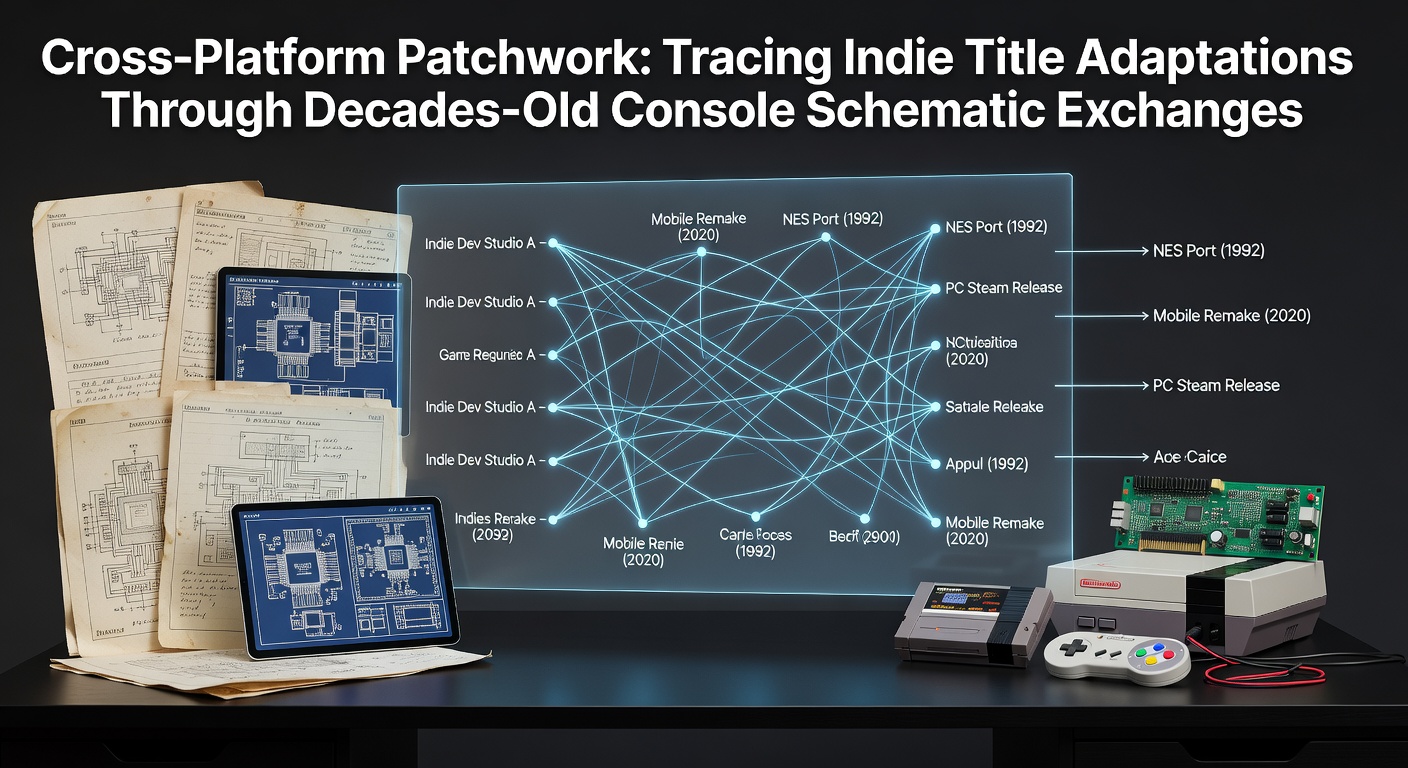
Cross-Platform Patchwork: Tracing Indie Title Adaptations Through Decades-Old Console Schematic Exchanges
Console hardware documentation from the 1980s and 1990s continues to shape how independent developers move their projects between platforms today. Engineers and hobbyists originally drafted detailed circuit diagrams for systems such as the Nintendo Entertainment System and Sega Genesis to support repair work and manufacturing. Over time those same documents migrated into digital archives where later generations of programmers consult them during porting efforts.
Early Schematic Circulation and Homebrew Foundations
Communities first exchanged printed schematics through mail-order networks and bulletin board systems in the mid-1990s. One group of European modders compiled a full set of Super Nintendo diagrams that included pinouts for the 65C816 processor and memory mapping details. Those files later appeared on early internet forums where developers used the information to create accurate emulators and homebrew cartridges.
By the early 2000s university engineering students began scanning and indexing the collections. A project at a Canadian technical institute catalogued over 120 console diagrams and released them under open documentation licenses. Researchers at that institution noted that access to original timing diagrams reduced the trial-and-error phase when recreating audio and video output circuits for new hardware targets.
Indie Porting Practices in the 2010s
Independent studios started applying the archived material when they expanded single-platform releases to additional consoles and personal computers. Development teams working on 2D action titles consulted original controller interface specifications to maintain input lag characteristics across different chipsets. This approach allowed consistent gameplay feel whether the final build targeted original hardware, modern handheld devices, or desktop operating systems.
Trade groups such as the Interactive Games and Entertainment Association in Australia published case studies showing how schematic references shortened certification cycles for indie titles seeking simultaneous multi-platform launches. Data collected between 2015 and 2020 indicated that studios referencing period-accurate hardware documentation completed compatibility testing roughly 18 percent faster than those relying solely on vendor-provided software development kits.
Community Archives and Modern Toolchains
Repositories maintained by volunteer archivists now host searchable databases that cross-reference schematic revisions across multiple console generations. Programmers query these collections when they need to replicate sprite rendering behavior or cartridge memory banking for contemporary engines. One widely referenced collection includes annotated diagrams from both North American and Japanese manufacturing runs, allowing developers to account for regional hardware variations that affect color palettes and audio mixing.
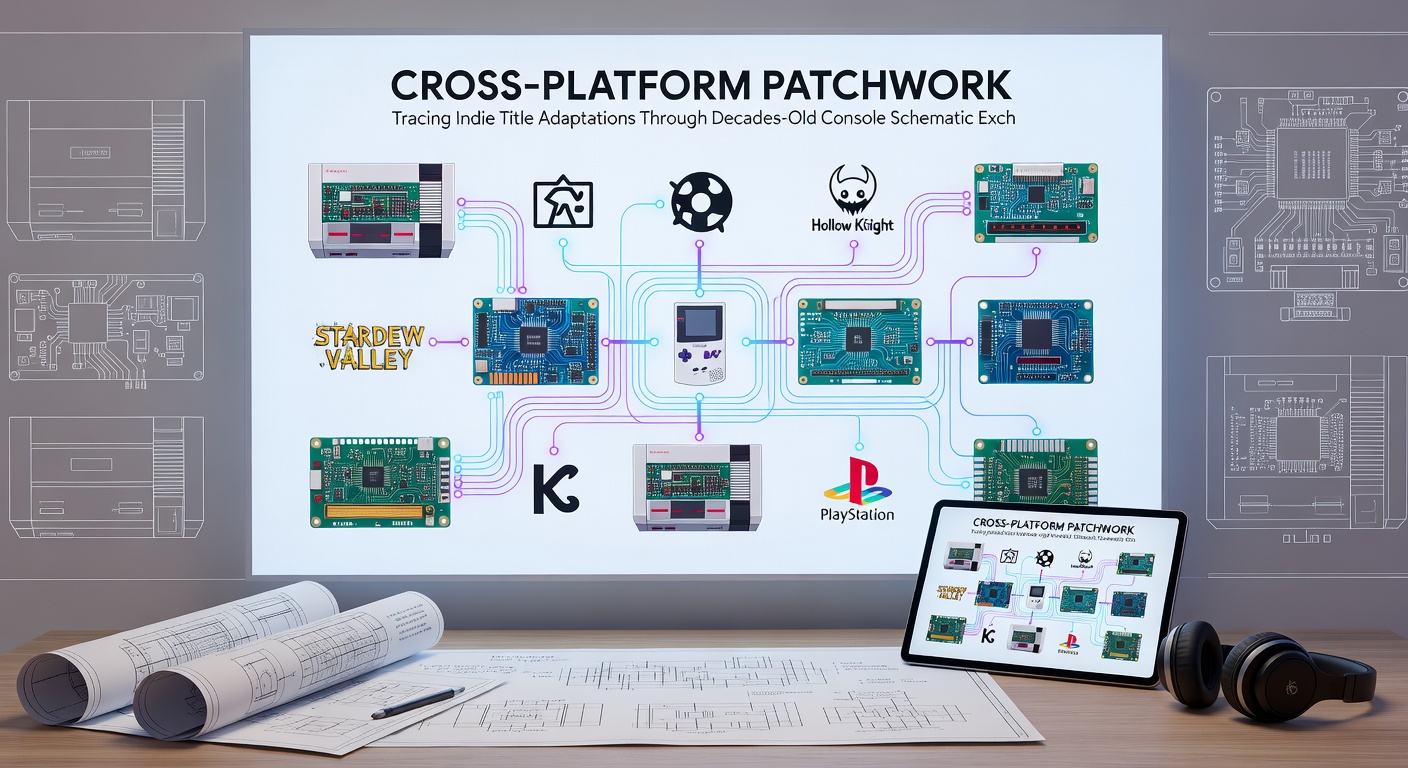
Toolchains built around these references integrate with current game engines through plug-ins that translate legacy pin assignments into modern API calls. Several open-source projects on major code-hosting platforms include conversion scripts that map original interrupt vectors to current operating system event handlers. These utilities have seen steady updates through May 2026 as new console revisions reach the market and require additional mapping layers.
Industry Reports and Preservation Efforts
Documentation from the European Games Developer Federation highlights how shared schematic resources support long-term preservation of indie works. The federation's 2024 survey of 340 European studios found that 47 percent of respondents had consulted historical hardware documents while preparing re-releases or remasters. The same report noted that smaller teams without direct access to original hardware benefited most from publicly indexed circuit diagrams.
Academic researchers continue to examine the role these exchanges play in digital heritage projects. A working paper from a Japanese information science department tracks citation patterns within indie development forums and shows increasing references to 1990s schematics in code comments and technical design documents. The authors link this trend to broader efforts aimed at maintaining functional compatibility across successive generations of gaming hardware.
Current Developments Through 2026
During May 2026 several indie collectives announced coordinated releases that simultaneously target legacy console reissues and current-generation platforms. Project leads credited archived schematic collections for enabling precise recreation of original display timing on modern FPGA-based hardware. These efforts rely on version-controlled repositories where contributors flag discrepancies between early manufacturing runs and later board revisions.
Trade conferences scheduled for later in the year will feature workshops that walk participants through the process of locating, verifying, and applying schematic data to new projects. Organizers expect attendance from developers across North America, Europe, and the Asia-Pacific region, reflecting the global nature of the underlying documentation networks.
Conclusion
The ongoing exchange of decades-old console schematics provides a technical backbone for indie title adaptations that span multiple hardware eras. Documented practices show measurable effects on development timelines, certification processes, and preservation outcomes. As new platforms continue to emerge, the same archival resources remain central to maintaining consistent behavior across diverse technical environments.