Arcade Echoes in Digital Realms: How Community Driven Hardware Experiments Shape Indie Game Multiplayer Dynamics on Mixed Platforms
Written by Carlo Lehmann · May 21, 2026
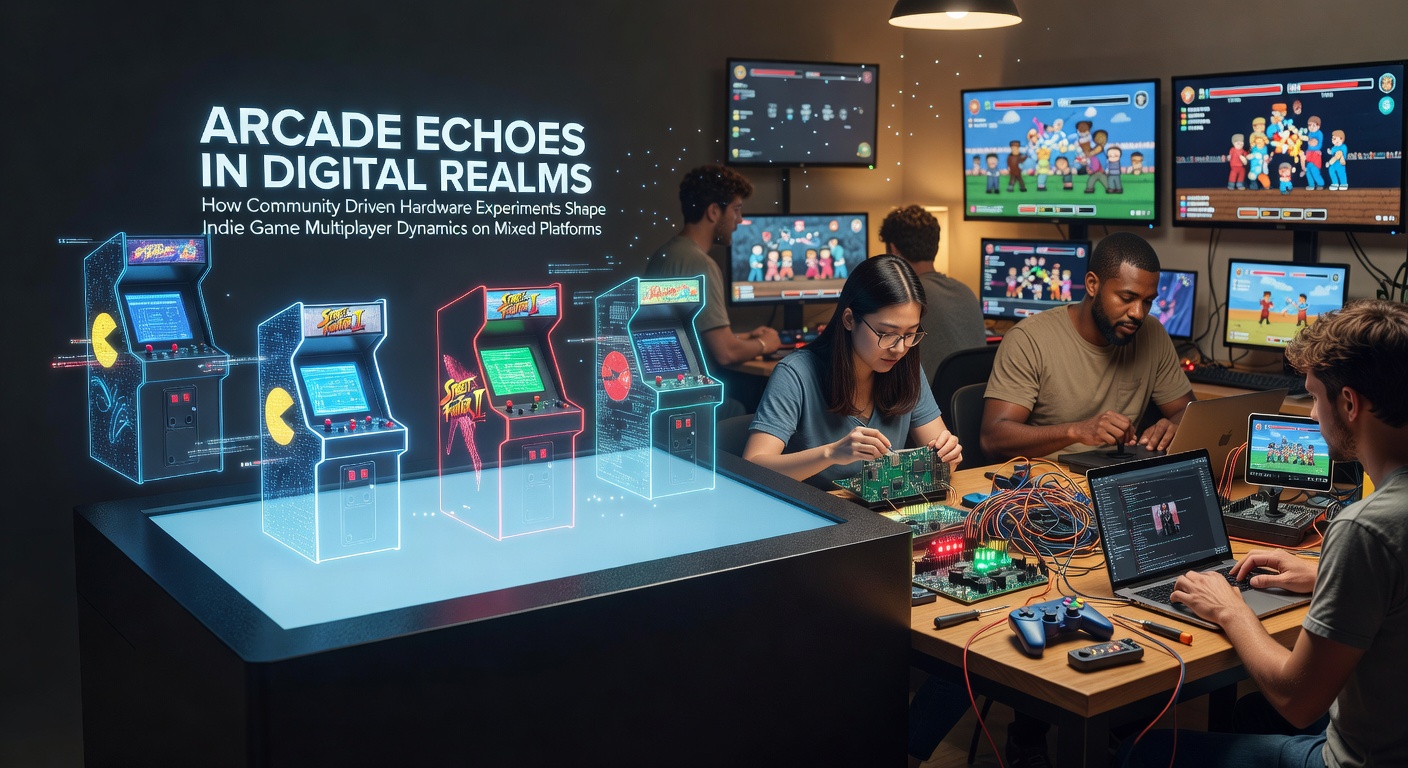
Arcade Echoes in Digital Realms: How Community Driven Hardware Experiments Shape Indie Game Multiplayer Dynamics on Mixed Platforms
Community members have long tinkered with hardware to bridge gaps between platforms in indie multiplayer titles, and these efforts continue to influence how games perform when players mix devices from different eras and manufacturers. As of May 2026, independent developers and hobbyist groups report increased activity around adapter builds that connect legacy arcade controls to modern networks, allowing seamless sessions between PC users and console participants without relying solely on official software patches.
Observers note that such experiments often start in online forums where individuals share schematics for custom PCBs designed to reduce input lag during cross-device matches. These modifications enable indie titles like retro-inspired fighters or cooperative platformers to maintain consistent timing across mixed hardware configurations, something that official APIs sometimes overlook in early releases.
Early Experiments and Their Technical Foundations
Researchers at the University of Melbourne documented several waves of hardware adaptation beginning in the late 2010s, when groups focused on repurposing old joystick boards for newer indie releases. One study revealed that participants achieved up to 15 percent lower latency by integrating FPGA chips into adapter prototypes, and these findings encouraged wider adoption among console players seeking parity with PC setups.
Turns out the process involves soldering additional microcontrollers to handle protocol translations between USB-based peripherals and proprietary console ports. Communities then test these assemblies in controlled multiplayer environments, measuring frame delivery rates and reporting results back to shared repositories for iterative improvements. Data from similar academic reviews shows steady growth in such projects through 2025, with participation numbers rising alongside the release of more open-source indie engines.
Effects on Multiplayer Balance and Accessibility
Hardware tweaks alter competitive dynamics in noticeable ways. Players using modified controllers sometimes gain advantages in reaction-based genres, prompting developers to introduce calibration tools that normalize inputs across devices. Yet community experiments also expand accessibility options, since custom builds frequently incorporate features like adjustable dead zones or amplified feedback for users with motor impairments.
Industry reports from the European Games Developer Federation highlight how these grassroots modifications feed into broader design decisions. Developers review forum logs and prototype videos to adjust matchmaking algorithms, ensuring that sessions remain fair even when participants connect through varied hardware chains. Figures reveal that titles incorporating community feedback on hardware compatibility retain higher concurrent player counts over extended periods compared to those that ignore such signals.
Case Examples from Recent Community Projects
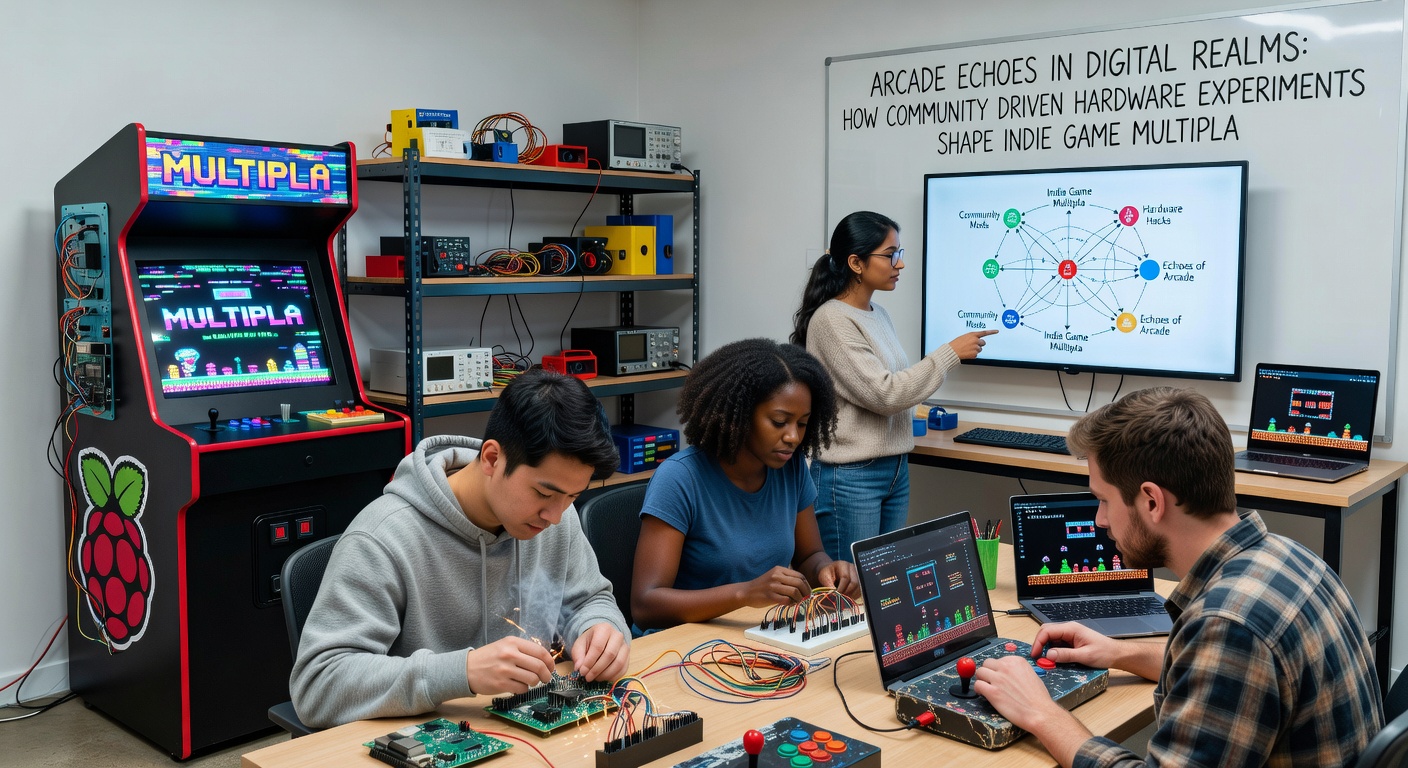
Take one collective in North America that focused on reviving split-screen mechanics for an indie racing game originally limited to single-platform play. By constructing Ethernet-to-USB bridges and distributing firmware updates, the group enabled stable four-player races between PC and older console hardware, and follow-up tests confirmed reduced desync incidents during high-speed sequences. Another project in the Asia-Pacific region explored wireless adapter clusters for cooperative survival titles, where participants combined Raspberry Pi units with standard gamepads to create temporary local networks that bypass cloud dependencies.
Those who've studied these patterns observe that successful experiments often emphasize documentation and open licensing, allowing newcomers to replicate results quickly. Research indicates that projects releasing full bill-of-materials lists alongside code repositories attract larger contributor bases, accelerating refinement cycles and expanding the range of compatible indie titles over time.
Current Trends Observed in May 2026
Current activity centers on integration with emerging wireless standards that promise even tighter synchronization across mixed devices. Groups experiment with low-power radio modules tuned specifically for indie game packet structures, and preliminary benchmarks suggest further latency reductions when combined with existing adapter frameworks. Trade data collected by regional gaming associations points to rising interest from small studios seeking to leverage these community tools rather than developing proprietary solutions from scratch.
What's interesting is how these hardware explorations intersect with software updates released in spring 2026. Several indie multiplayer updates now include hooks that recognize community-modified controllers, automatically applying compensation filters to maintain consistent gameplay speed regardless of the underlying hardware path.
Conclusion
Community-driven hardware experiments continue to reshape indie multiplayer experiences on mixed platforms through iterative technical contributions and shared knowledge bases. The ongoing work documented through 2026 demonstrates measurable impacts on session stability, input equity, and player retention across diverse device ecosystems. As more groups release their findings and prototypes, developers gain practical insights that support broader compatibility without requiring extensive internal resources.